
ActiveHistoric
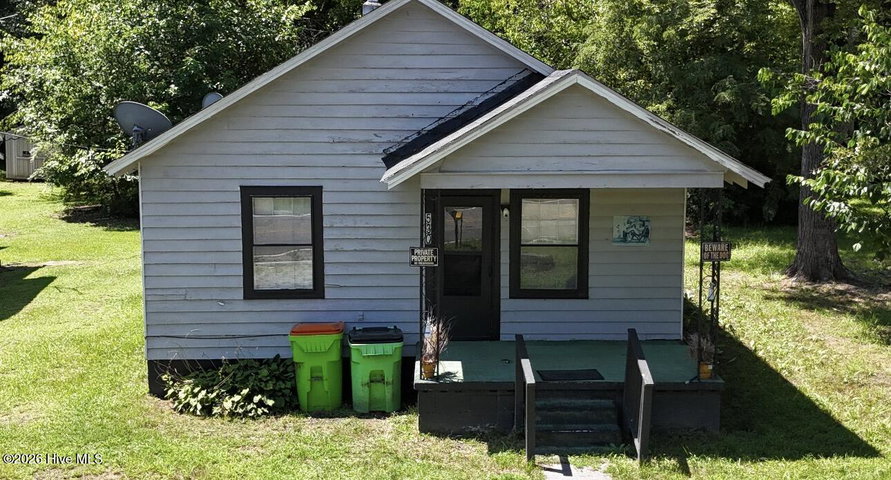
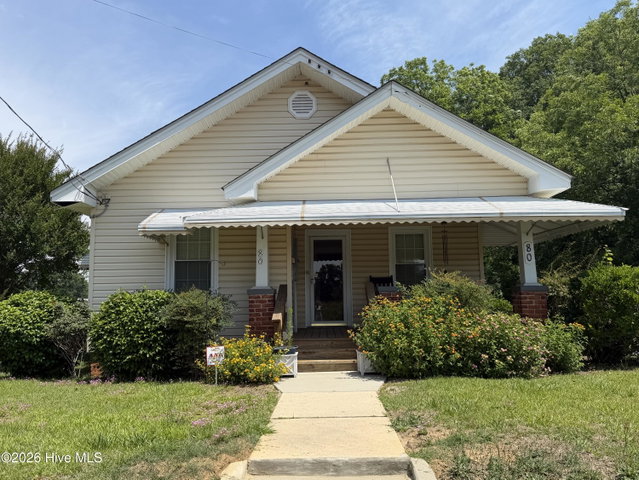
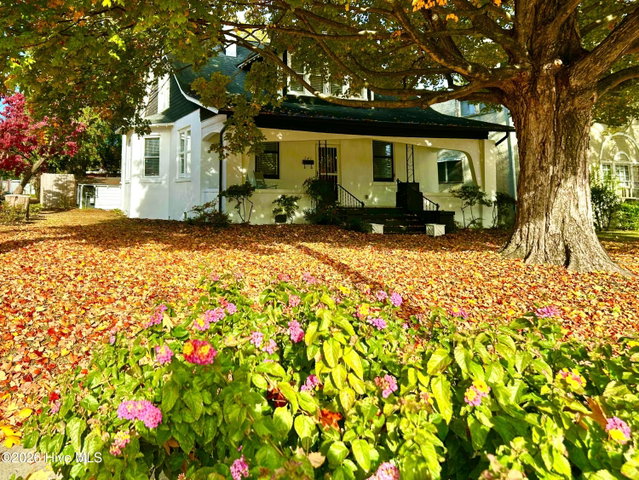
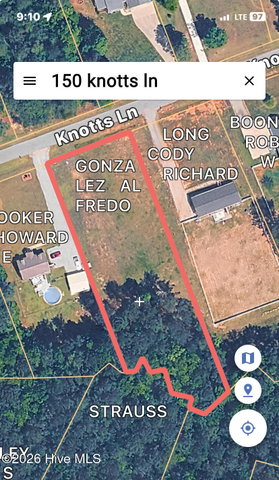
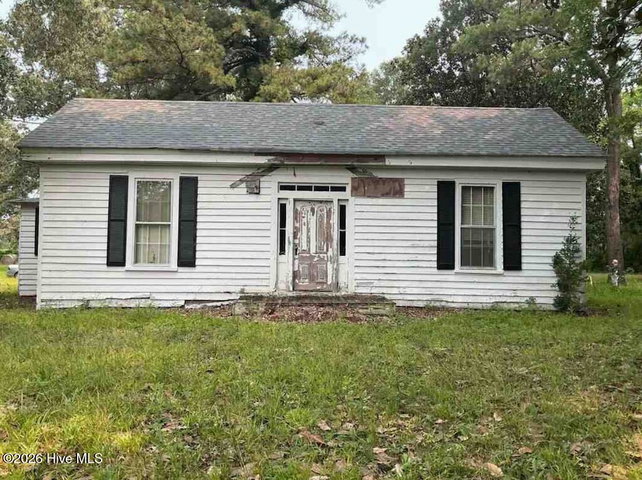
+22 photos$50,000
$26/sq ft
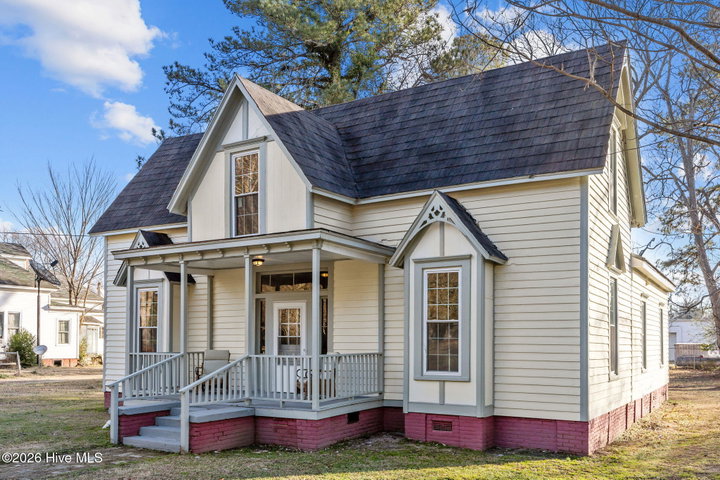
3 bd·2 ba·1,924 sq ft·1.19 ac
28 Foxglove Lane, Scotland Neck, NC 27874
Year Built: 1877
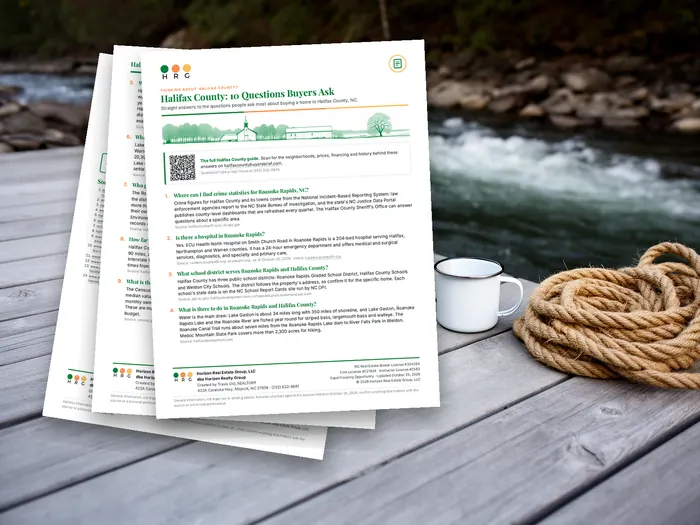 Free 3-page PDFHalifax County Buyer FAQ
Browse
All Active ListingsEvery active Halifax County listingSearch ListingsPrice, bedrooms, type and featuresMy Saved ListEverything you have heartedBy Town
Roanoke RapidsThe county’s full-service small cityWeldonThe Rockfish Capital, at the fallsHalifaxCounty seat, the Halifax ResolvesScotland NeckSouth county heritage & valueEnfieldPeanut-market history, deep valueLittletonLake Gaston’s Halifax County marina townOther Halifax TownsHobgood, Tillery, ThelmaBy Category
Lake Gaston & WaterfrontHalifax County shoreline only — see Ch. 3HistoricPre-1941 stock, colonial seat to mill villagesNew ConstructionNewly built, Roanoke Rapids & Lake GastonLand & AcreageRural tracts and building lotsLotsResidential lots under 3 acresLandParcels of 3 acres or moreHunting LandWooded, recreational and hunting tractsUnder $150KThe deepest value band in the countyRentals & LeasesResidential rentals and commercial spaceThinking of Selling?
Halifax County Market ReportWhat the active inventory is doingTrue Cost CalculatorTaxes, insurance, dues, upkeep and cash to closeThe Seller's BriefWhat it's worth, what it costs, how long it takesWhat It Costs to SellCommission, excise tax, fees, payoff — the real arithmeticBuyer MatchRegister your property against active buyer profilesWhat's a Buyer's Brief? A free, plain-English guide to buying here: the real costs, the rules and the trade-offs, written by a working broker.
The Places
1. The I-95 ThesisBetween Richmond and Raleigh, at Exit-Ramp Convenience2. Roanoke Rapids: The Small CityFull-Service Amenities, Mill-Village Stock & First-Home Depth3. Lake Gaston EconomicsWaterfront Tiers, Dock Permits & the County-Line Question4. Weldon & the RiverThe Rockfish Capital, Striper Season & Flood-Zone Honesty5. Historic Halifax & the South CountyHalifax Resolves Heritage, Enfield, Scotland Neck & Deep ValueThe Money & the Decision
6. The Workforce Rental MathRent-to-Price Reality Near the Hospital & the Interstate7. Schools & Services Straight TalkThree School Systems in One County — What District Lines Do to Value8. Financing: Lake Money vs. Town MoneyTwo Financing Realities in One County9. Making the DecisionLake Buyer, Corridor Relocator or Investor — A FrameworkThe Numbers
Live Market ReportActive count, median price, days on market23-County Regional HubCompare Halifax against all 23 Northeast & Eastern NC countiesDeep Dives
Financing: Lake vs. TownTwo underwriting worlds, one countyUSDA EligibilityZero down, and where the county qualifiesFHA Loan LimitsThe 2026 limit and what it buys hereHistoric Tax CreditsFederal + NC credits, stackedDown Payment AssistanceNCHFA programs that apply hereRental InvestmentHUD fair market rents and the mathHalifax County, NC
Homes built in 1940 or earlier.
The Brief · New listings by email
A short email when something new fits. No account to make, and one click stops it.
You're on the list. The next new historic listing in Halifax County comes to your inbox.
Nothing from that era is on the market right now
The oldest bands here are genuinely thin — some weeks Halifax County has nothing pre-1860 listed at all. Try another era, or see every historic listing currently active.
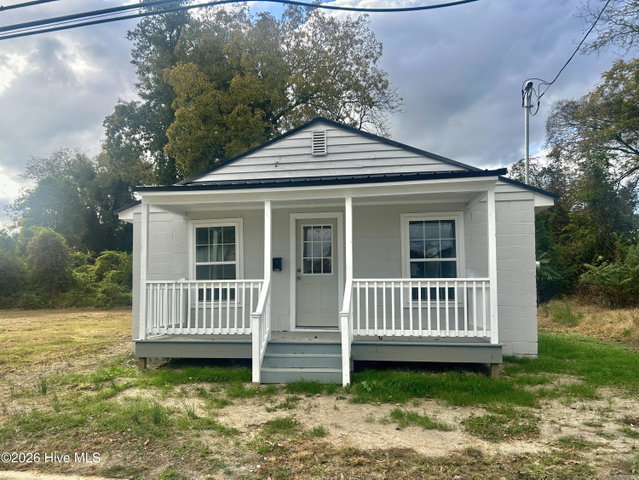
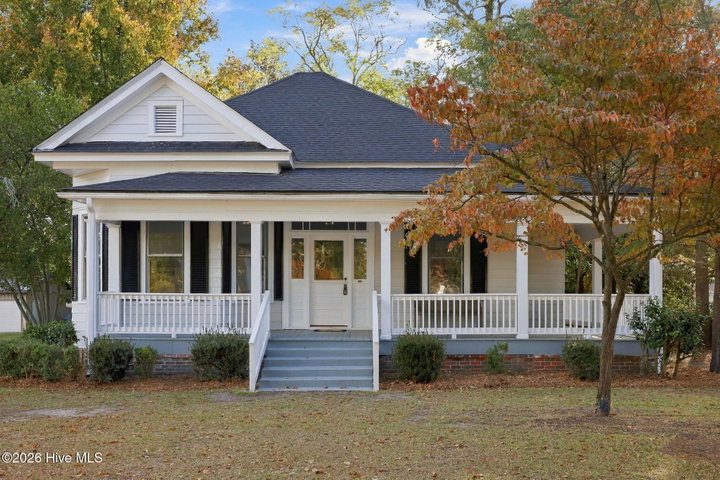
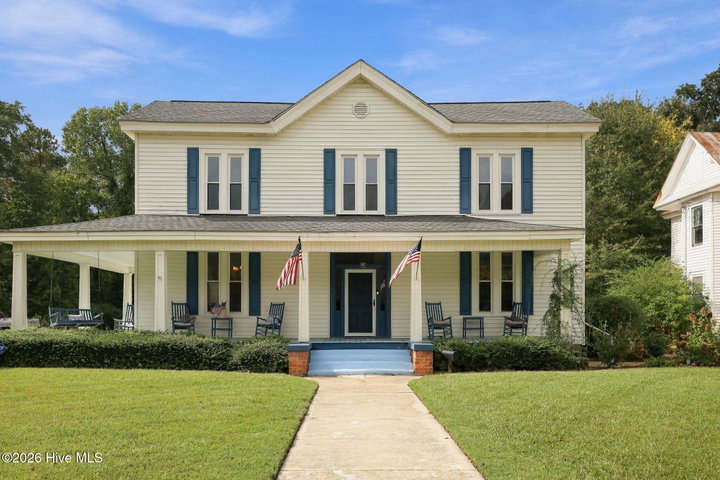
Homes built in 1940 or earlier. Halifax town was where North Carolina adopted the Halifax Resolves on 12 April 1776, and the county still has five National Register districts to show for its history — Halifax, Weldon, Roanoke Rapids, Scotland Neck and Enfield. What actually trades here runs from antebellum houses in the south county, through Weldon's blocks at the north end of what was briefly the longest railroad in the world, to the Roanoke Rapids and Rosemary mill villages — a district that holds more Aladdin kit houses than any other in North Carolina. Condition varies more in this stock than in any other category on the site; a walkthrough and a real inspection matter more here than usual.
Want more targeted matches?
Tell me a bit about what you're looking for — 30 seconds, totally optional.
Got it — thanks.