

You can read a market on a spreadsheet. You learn a town by walking it. Halifax County has five places I take buyers on a first visit, and each one tells you something about what you are buying that no listing photo can. Four of them sit in the small towns south and east of the Roanoke Rapids corridor. The fifth is where the county’s whole story starts. Do all five in one afternoon, in this order, and you will know more about this county than plenty of people who have lived here a decade.
1. Historic Halifax: the green where the county started
The town of Halifax is the county seat, and it had about 170 residents at the 2020 census, which makes it one of the smallest county seats in North Carolina. It is also where the state’s Fourth Provincial Congress met in the spring of 1776 and, on April 12, adopted the Halifax Resolves: the first official action by any American colony calling for independence from Britain. That date is printed on the state flag.
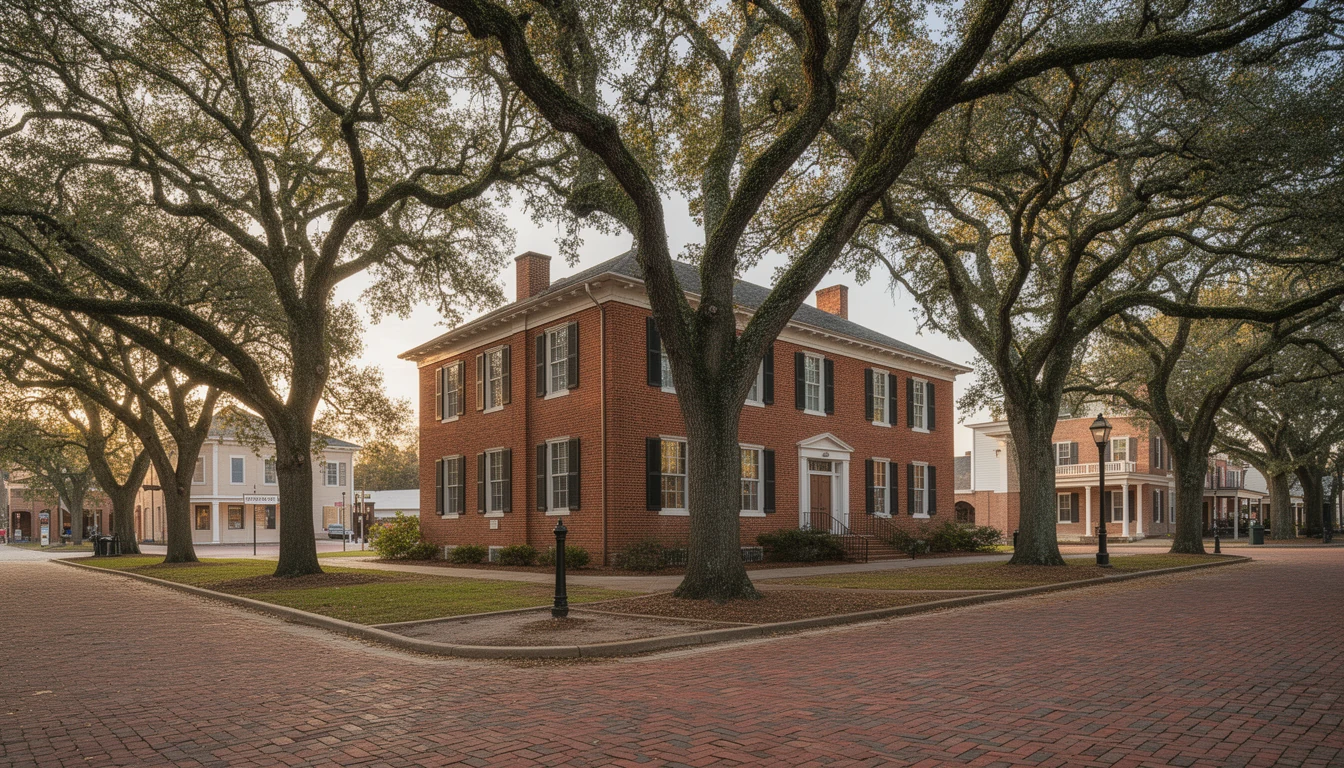
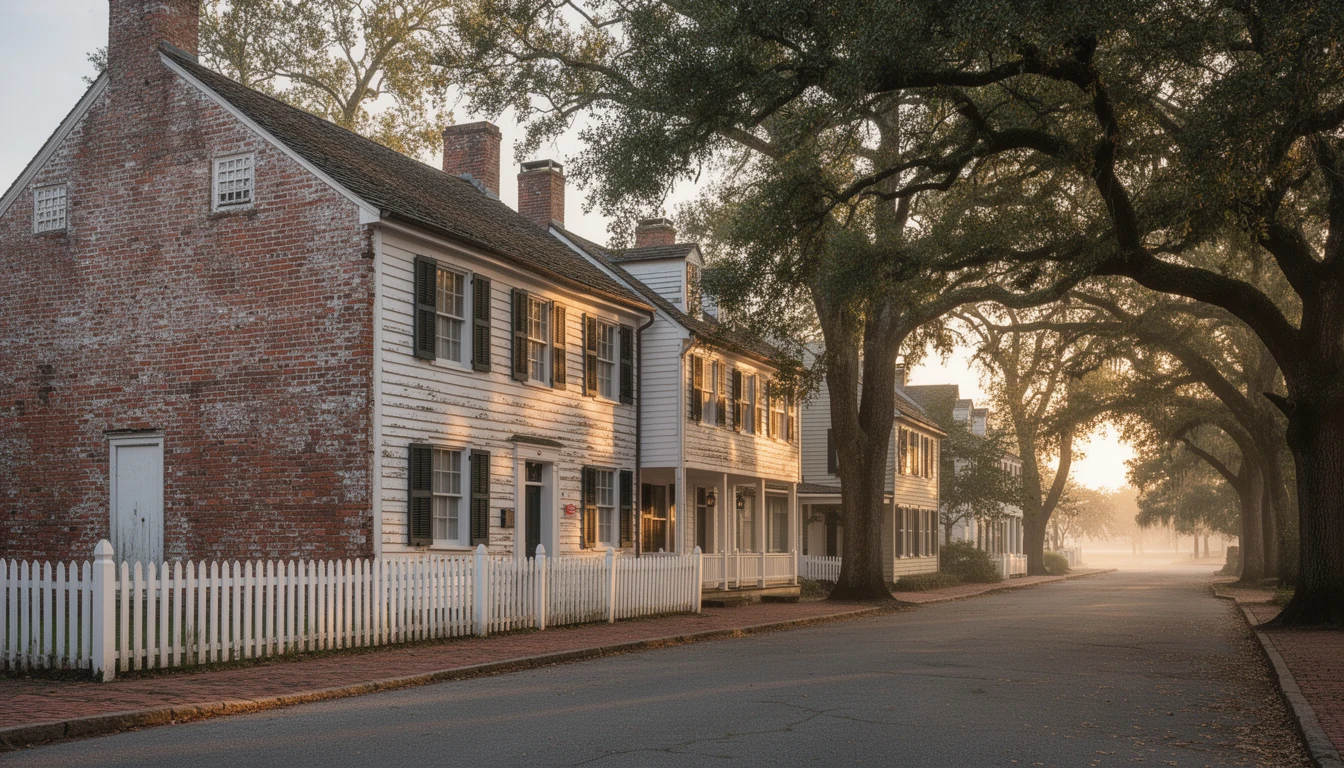
Walk the state historic site and you pass restored period buildings, the 1790 Eagle Tavern and the 1838 jail among them. The surrounding Halifax Historic District has been on the National Register of Historic Places since 1970. What the walk tells a buyer: this is a heritage market with occasional inventory. When something lists in a town of 170, it tends to be either a genuinely historic property or a modest house at a modest price, with little in between. The Halifax town listings fill in slowly, and you cannot shop it the way you shop a subdivision.
2. The Roanoke Rapids mill district
Roanoke Rapids is the county’s biggest town, roughly 15,000 people at the 2020 census, and its historic core is on the National Register. Ten minutes of walking explains the local housing stock: street after street of early-twentieth-century mill-village houses with modest footprints, front porches, and mature trees, built when this was a textile city. ECU Health North Hospital, a 204-bed hospital inside the city, is the other half of why this town carries the county’s services.
The lesson here is condition. Hundred-year-old houses vary enormously in how well they have been kept, and no listing photo shows that. Walking the district on foot is how you calibrate what well-kept looks like block by block before you pay an inspector to tell you what you missed. Start with the Roanoke Rapids listings and then go stand in front of two or three of them.
3. Enfield: the oldest town in the county
Enfield, down US-301 in the county’s southwest, was founded in 1740, which makes it older than Halifax County itself. It grew on agriculture: tobacco markets from the 1890s, and then peanuts, where the town’s buying and cleaning stations made it a major raw peanut market in its heyday. The Peanut Festival still runs every year. Walk the compact brick downtown and you see what that money left behind, a stock of substantial early-1900s houses at prices that will not make sense to anyone arriving from a metro.
Do this walk more than once. Kept houses sit a block from long-vacant ones, and the difference does not always show in a photograph. Drive the streets once in the morning and once at dusk before you get attached to any single house. The Enfield listings page shows what is for sale right now.
4. Scotland Neck and Sylvan Heights
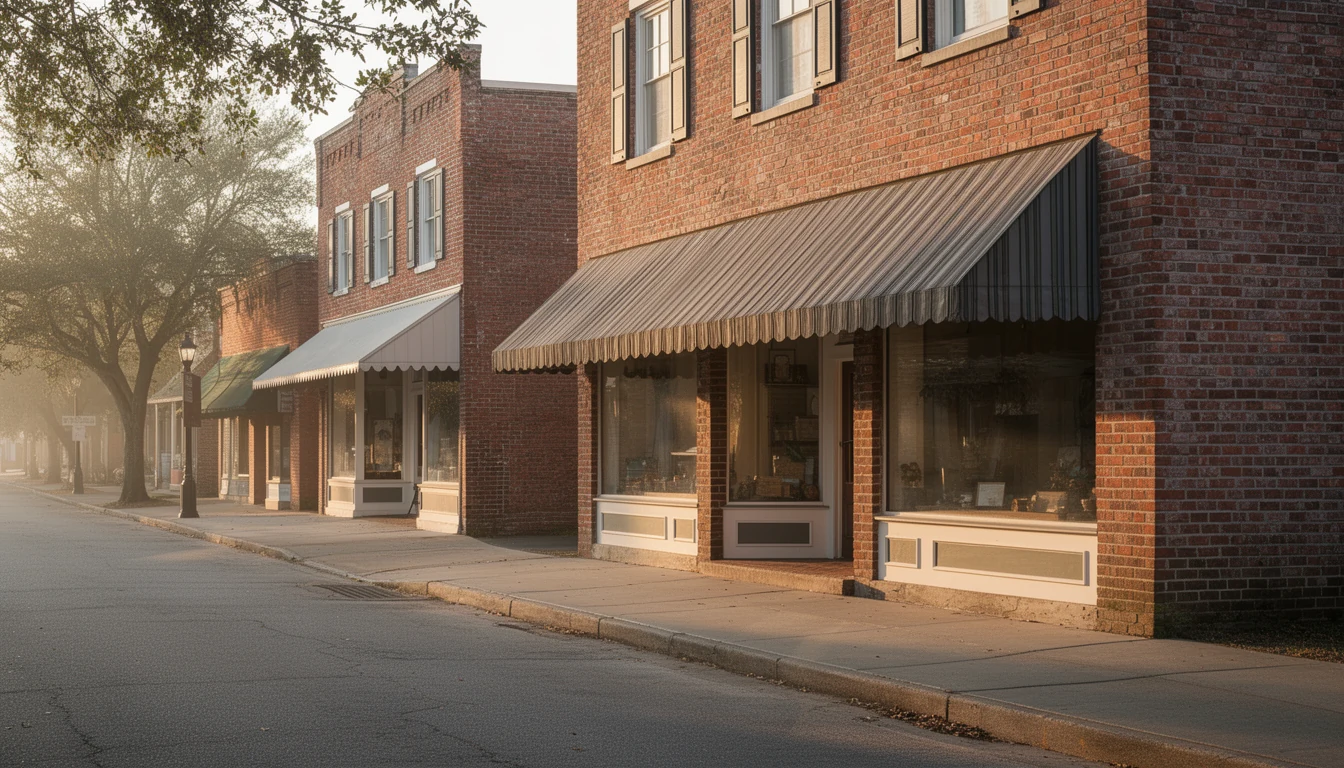
Scotland Neck anchors the county’s southeast, a farm town with a wide Main Street that runs longer than a town its size has any right to. The town itself is not the whole reason to walk it. Sylvan Heights Bird Park sits here: an 18-acre campus, open to the public since 2006, holding the world’s largest collection of rare and endangered waterfowl in walk-through aviaries. It pulls visitors in from well outside the region.
That matters to a buyer in a practical way. An amenity that brings people to a town keeps its Main Street alive, and a living Main Street is part of what you are buying when you buy the house. Compare the Scotland Neck listings against Enfield and Halifax and you will see the same deep-value math with a different anchor.
5. Tillery: land ownership as the whole story
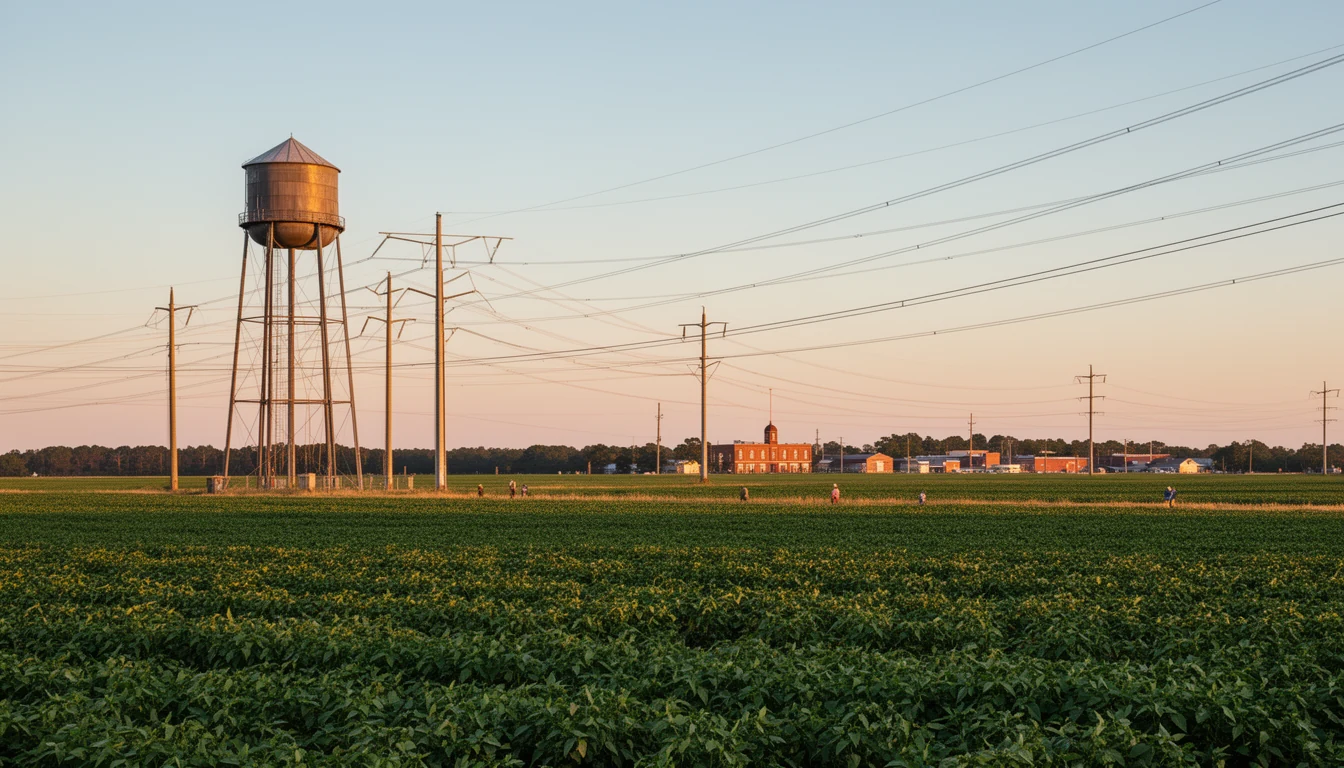
Tillery sits along NC-481 near the Roanoke, and it is the one of the five that is not a town at all. In 1935 the federal Resettlement Administration built the Roanoke Farms project here, one of its major rural New Deal resettlement efforts, with nearly 300 forty-acre farms at its peak. The section known as Tillery Farms was settled by Black farm families from North Carolina and several other states, who built a school, a community center, and a cooperative store on land they owned. Concerned Citizens of Tillery has documented and preserved that history, including at the Tillery History House.
Walk it and you are standing in a community built out of land ownership on purpose, and the neighbors know the story. If you are buying acreage in this corner of the county, that context is worth having before you make an offer on somebody’s family land.
The Bottom Line
Five walks, one afternoon, and you have the county’s ground truth: what a colonial river port built, what the mill era left behind, and how a small farm town’s Main Street holds up or does not. None of it replaces the inspection, the flood map, or the call to the school district. All of it makes those conversations sharper, and it costs you a tank of gas.
Travis walks these towns with buyers regularly, and he will tell you which blocks hold value and which houses are projects dressed up in new paint. Call or text him at (252) 202-4945, or schedule a chat, and start with the under-$150K filter to see the kind of inventory that comes with this much history.
Historic site hours, exhibit schedules, and town amenities change seasonally; confirm current details with the sites before you plan a visit. Population figures are 2020 U.S. Census counts. NC Real Estate Broker, License #334264. Equal Housing Opportunity.