
Seven Costs Halifax County Buyers Forget Until Closing

In this post
- 1. What is the due diligence fee, and when does it come out of your pocket?
- 2. What does escrow funding cost at closing?
- 3. Who pays for the survey, and when is one required?
- 4. What does the title work and the closing attorney add to the bill?
- 5. How do property taxes land on the settlement statement?
- 6. What does a bindable insurance quote cost, and why get it during diligence?
- 7. What do the well and septic checks run, and what can they change?
- The Bottom Line
I have watched the same look cross buyers’ faces at closing tables in Roanoke Rapids and Weldon: the one where the final numbers land and the purchase price suddenly is not the price of the house.
The contract price is what you agreed to pay. The settlement statement is what it actually costs to take the keys. In Halifax County, that gap surprises people more than it should, because entry prices here are low enough that fixed costs feel like they should be small too. They are not. Here are the seven costs I tell every buyer to budget before the offer goes hard.
1. What is the due diligence fee, and when does it come out of your pocket?
The due diligence fee is the money you pay the seller at ratification for the right to run your inspections and walk away if something fails. It is due immediately, at contract, not at closing, and it is fully negotiable: there is no usual amount, and the number on the offer is whatever you and the seller agree to. Treat it as cash out the day you sign. If you terminate during the due diligence period, the fee does not come back unless your contract says it does.
2. What does escrow funding cost at closing?
Most lenders collect your first year of property taxes and homeowners insurance at settlement and hold them in escrow, then pay those bills for you. That is not a line item buyers remember to price. On a Halifax County entry-level purchase, the escrow funding can be a meaningful share of the total cash you bring to the table, which is why I tell buyers to ask the lender for the escrow estimate in writing before they commit, not after.
3. Who pays for the survey, and when is one required?
Whether a lender requires a fresh survey depends on the file: some accept an old one, some want a new boundary survey, and some only want one when something looks off. Ask before you budget. On the old parcels this county is full of, where deeds run to metes-and-bounds descriptions that predate plat maps, a survey is cheap insurance against a boundary fight you did not know you were buying. The surprises surface there.
4. What does the title work and the closing attorney add to the bill?
In North Carolina, a licensed attorney handles the closing, and the title search is part of that work. Halifax County records have layers: heirs’ property, easements that predate the plat map, parcels that went decades without a recorded transfer. A clean title is not a given on old rural stock; it is a result. Let the closing attorney run it to ground, and read what they find. This is not the line to shop on price alone.
5. How do property taxes land on the settlement statement?
Your first tax bill is prorated at closing, so the seller pays their share and you pay yours from the closing date forward. Then the county rate, plus any municipal rate where one applies, is assessed against the current assessed value, not the price you paid. Halifax County runs a revaluation cycle, which means the assessment can lag the market in either direction. Pull the tax card on the parcel during due diligence, and read the escrow estimate, so the number on the statement is not a surprise.
6. What does a bindable insurance quote cost, and why get it during diligence?
Older roofs, older wiring, older plumbing: each one moves the premium, and some carriers simply decline to bind. On the affordable end of this county, insurability is a real check, not a formality, and in the south county the distance to a fire station can show up in the quote too. If the house sits near the Roanoke, the flood map and a flood insurance quote belong in the same conversation, because riverfront premiums are property-specific. Get a bindable quote on the actual address during your due diligence period, and price the first year of premium like the bill it is.
7. What do the well and septic checks run, and what can they change?
Outside town limits, assume a private well and septic until proven otherwise. The water test, the septic inspection, and the pump-out are small line items with outsize consequences: a failed septic on a $90,000 house is not a rounding error. Test the water, inspect and pump the septic, and confirm the system’s location and condition during diligence, while you can still walk away or renegotiate.
The Bottom Line
None of these seven are reasons not to buy in Halifax County. The entry prices are real, and the program stack that makes the math work is real too: USDA’s map shows no ineligible area in the county, subject to an address-level check, FHA gets you in at 3.5 percent down, and NCHFA assistance can offset the cash you bring. The fix is not to avoid the costs; it is to budget them before the offer goes hard, so the closing table is where you confirm the math, not where you meet it for the first time. Tax rates, program limits, and insurance premiums change with every budget cycle, so verify the current numbers for your specific parcel with the county, your lender, and an insurance agent before you rely on them. Travis pulls the tax cards, the flood layers, and the insurance quotes on parcels across this county as part of every due diligence period, and he can walk you through the full cost picture before you commit. Call or text him at (252) 202-4945, or schedule a chat, and start with the under-$150K filter to see the kind of inventory these costs come attached to.
Keep reading
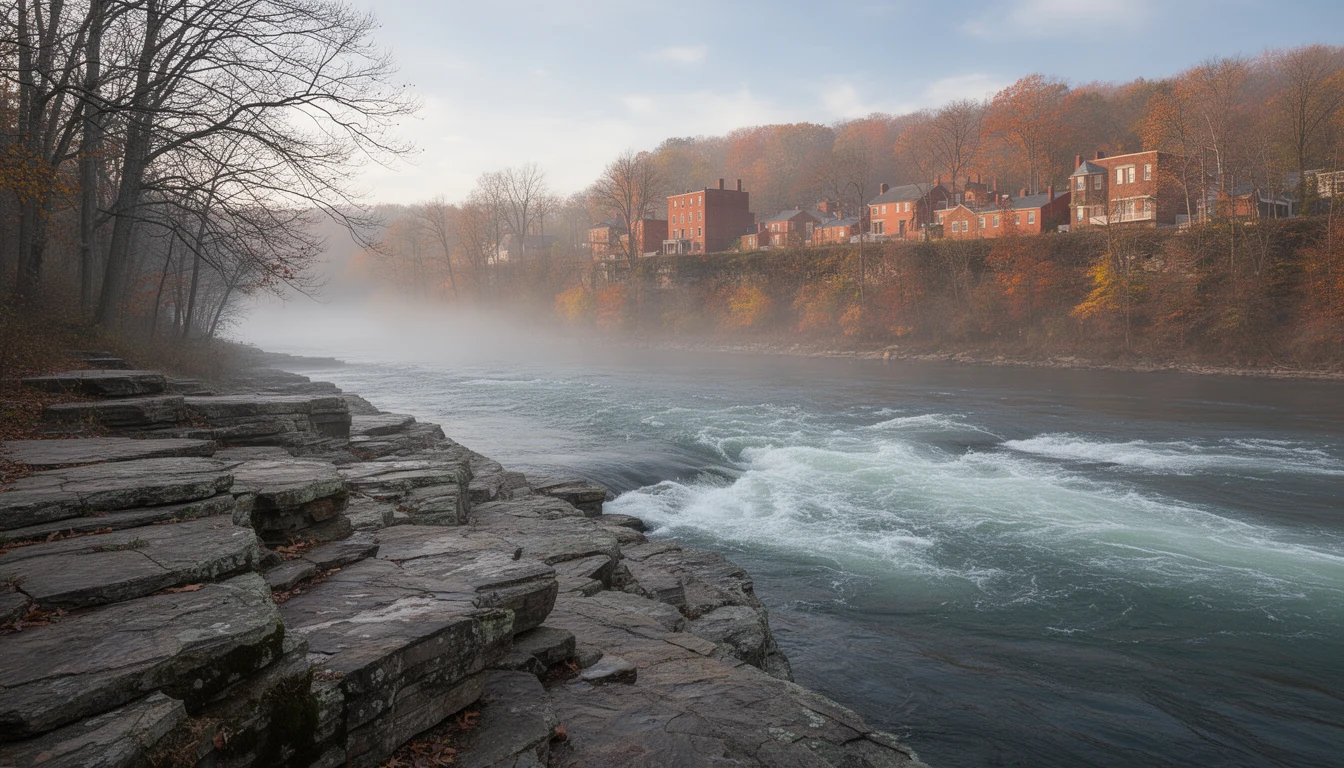
Weldon's Fall Line: Canal, Rail, and the Houses Left Behind
Weldon grew up around a granite ledge, then a canal, then a railroad. What those decades left behind in the housing stock, block by block, for buyers.
Five Drives That Decide Where You Live in Halifax County
Five drives that decide where you live in Halifax County: I-95 south to Rocky Mount and north to Virginia, US-301 through the towns, and the lake road.
Halifax County Property Taxes: Four Layers, One Bill
Halifax County property taxes for buyers: FY 2025-26 rates town by town, school supplemental levies, the four-year revaluation cycle, and escrow.