Who Powers and Waters Your Halifax County Home

In this post
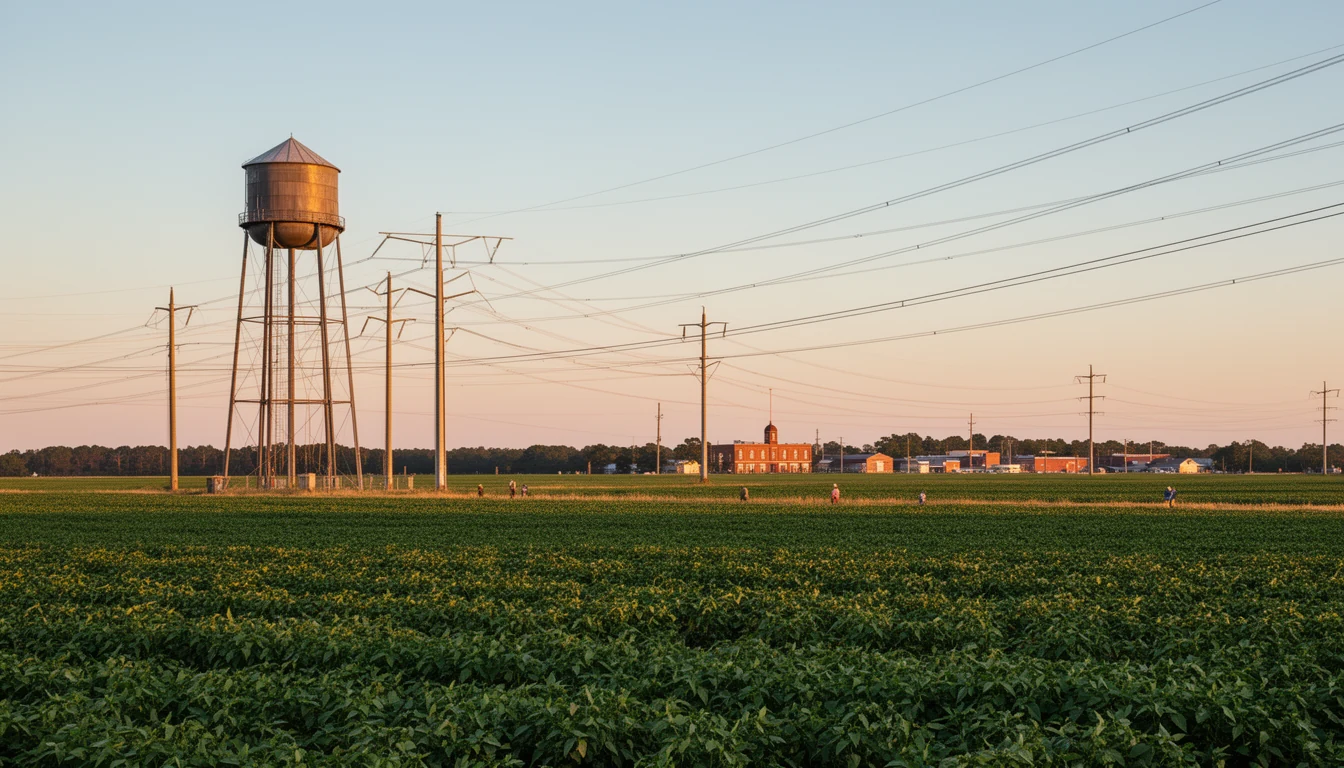
The question that comes up at almost every closing table in Halifax County is not the one buyers rehearsed. After the survey, the title work, and the insurance quote, somebody finally asks it: who do I pay for the water? In most counties the answer is one line. Here it is a patchwork: two main electric providers, a county-wide water system, half a dozen town systems, and private wells and septic for everyone outside those lines. The provider that serves your exact address changes what you pay, what you inspect, and sometimes whether the loan closes. Worth getting straight before you write an offer.
Who supplies the power in Halifax County?
Electric service splits two main ways, with a couple of town-owned exceptions. Dominion Energy North Carolina serves the Roanoke Rapids area, including the city and the corridor along I-95. The company’s Roanoke Rapids Power Station, a hydroelectric plant on Roanoke Rapids Lake that has been generating since 1955, is the reason the lake exists, and Dominion still manages the water levels and shoreline rules that go with it.
The other main provider is Halifax Electric Membership Corporation, a cooperative headquartered in Enfield that serves roughly 12,000 meters across Halifax, Nash, Warren, and Martin counties. If your address is outside the Dominion footprint, the co-op is likely your provider. Roanoke Electric Membership Corporation, based in Rich Square in neighboring Northampton County, also serves parts of the county, and the towns of Enfield and Scotland Neck run their own electric utilities inside their limits. Natural gas is available in certain areas, mostly through Piedmont Natural Gas.
The practical difference: a co-op and a town system are not regulated the same way the big investor-owned utility is, and rates, deposits, and outage response all differ. Two houses a mile apart can sit on different providers. Ask for the electric provider on the exact address before you get attached to a house.
Where does the water come from?
Water is where the patchwork gets real. The Roanoke Rapids Sanitary District supplies water and sewer to Roanoke Rapids, Gaston, and areas outside the district boundaries, roughly 25,000 people in the Roanoke Valley. Its source is Roanoke Rapids Lake, with the Roanoke River as backup.
Halifax County Public Utilities runs a county-wide system with more than 500 miles of water line serving about 7,500 residential accounts. It also supplies the towns of Littleton, Scotland Neck, and Halifax, plus customers over the line in Warren County.
The towns of Weldon, Scotland Neck, Littleton, Halifax, Hobgood, and Enfield each operate their own water and wastewater systems. Weldon’s is the old one: a surface water treatment plant drawing from the Roanoke River, the current building dating to the 1930s, supplying Weldon plus parts of Halifax and Northampton counties. The exact arrangement varies by town, and some towns take county water and run their own distribution, so the billing office for your address is the fact that matters, not the town name on the mailbox.
What does a private well and septic mean for your closing?
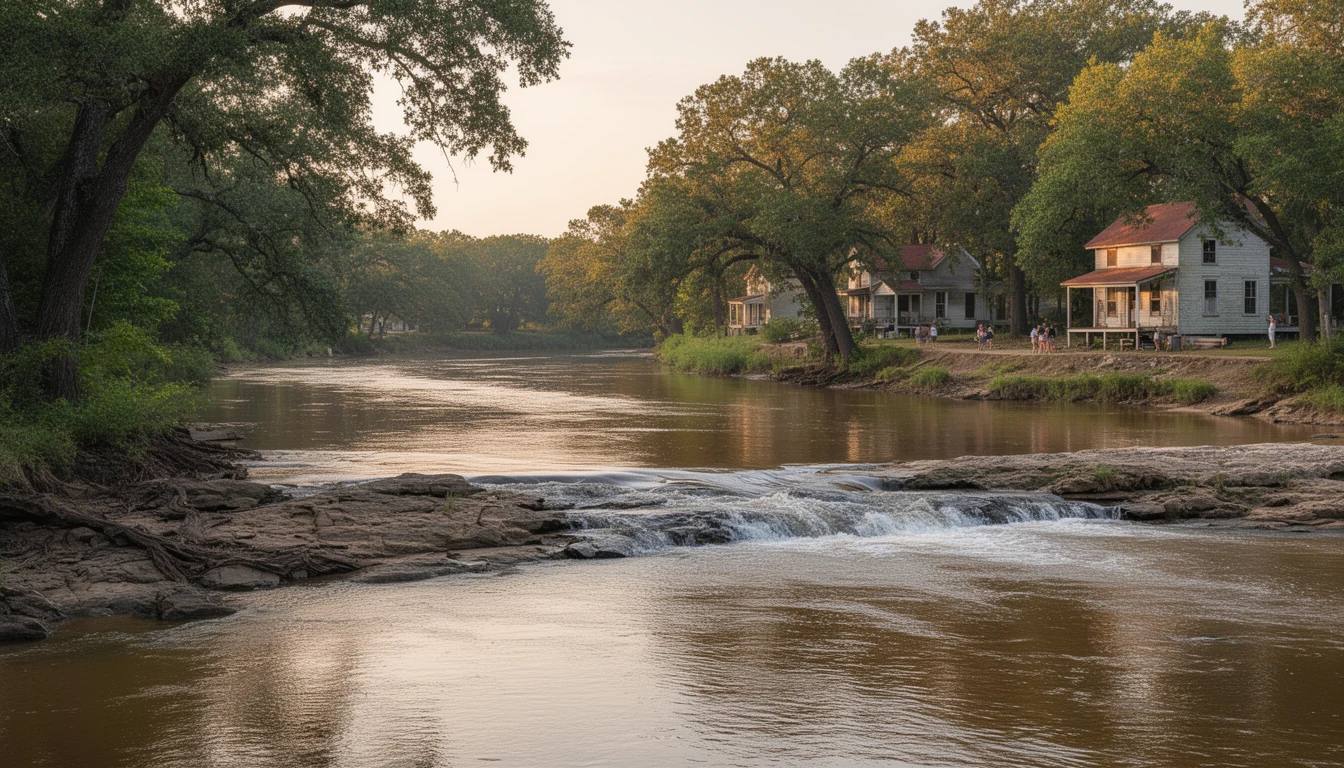
Outside the town and county service lines, which covers most of south county and a good share of rural Halifax, the assumption is a private well and a septic system until proven otherwise. The county’s environmental health office handles the well and septic permits, and the discipline is the same as anywhere in rural North Carolina: test the water, inspect and pump the septic, and confirm the system’s location and condition during due diligence. A failed septic on a $90,000 house is not a rounding error.
Wells here are drilled into the Coastal Plain aquifer, and water quality varies by location, which is exactly why the test is a condition, not a courtesy. Budget for a full water panel and a septic inspection. If the seller cannot produce the well and septic records, the county environmental health office can pull the permit history.
What should you check before you write an offer?
- Electric, water, and sewer providers for the exact address, confirmed with the utility office, not the listing.
- Service deposits and transfer fees, which town utilities set and change, so ask what they run today.
- Well and septic records: permits, test results, and the last septic pumping date.
- Water quality: a current test from the well, or the utility’s annual consumer confidence report if you are on a system.
- Flood zone, because the fall-line towns sit in real floodplains, and the flood insurance conversation belongs with the utilities conversation.
The bottom line
Halifax County’s utility landscape is a patchwork, and that is neither good nor bad. It is just how the county was built. What matters is that you check the exact parcel, the same way you check the school district. The provider list here is current as of early September 2026, and service territories and rates do change, so the final answer always comes from the utility office or the county environmental health department for your address.
Need help sorting out which provider serves the house you are looking at? Call Travis Old at (252) 202-4945 or schedule a chat. NC Real Estate Broker, License #334264. Equal Housing Opportunity.
Keep reading
Weldon's Fall Line: Canal, Rail, and the Houses Left Behind
Weldon grew up around a granite ledge, then a canal, then a railroad. What those decades left behind in the housing stock, block by block, for buyers.
Five Drives That Decide Where You Live in Halifax County
Five drives that decide where you live in Halifax County: I-95 south to Rocky Mount and north to Virginia, US-301 through the towns, and the lake road.
Halifax County Property Taxes: Four Layers, One Bill
Halifax County property taxes for buyers: FY 2025-26 rates town by town, school supplemental levies, the four-year revaluation cycle, and escrow.