
Historic Halifax: The Town That Passed the Resolves

In this post
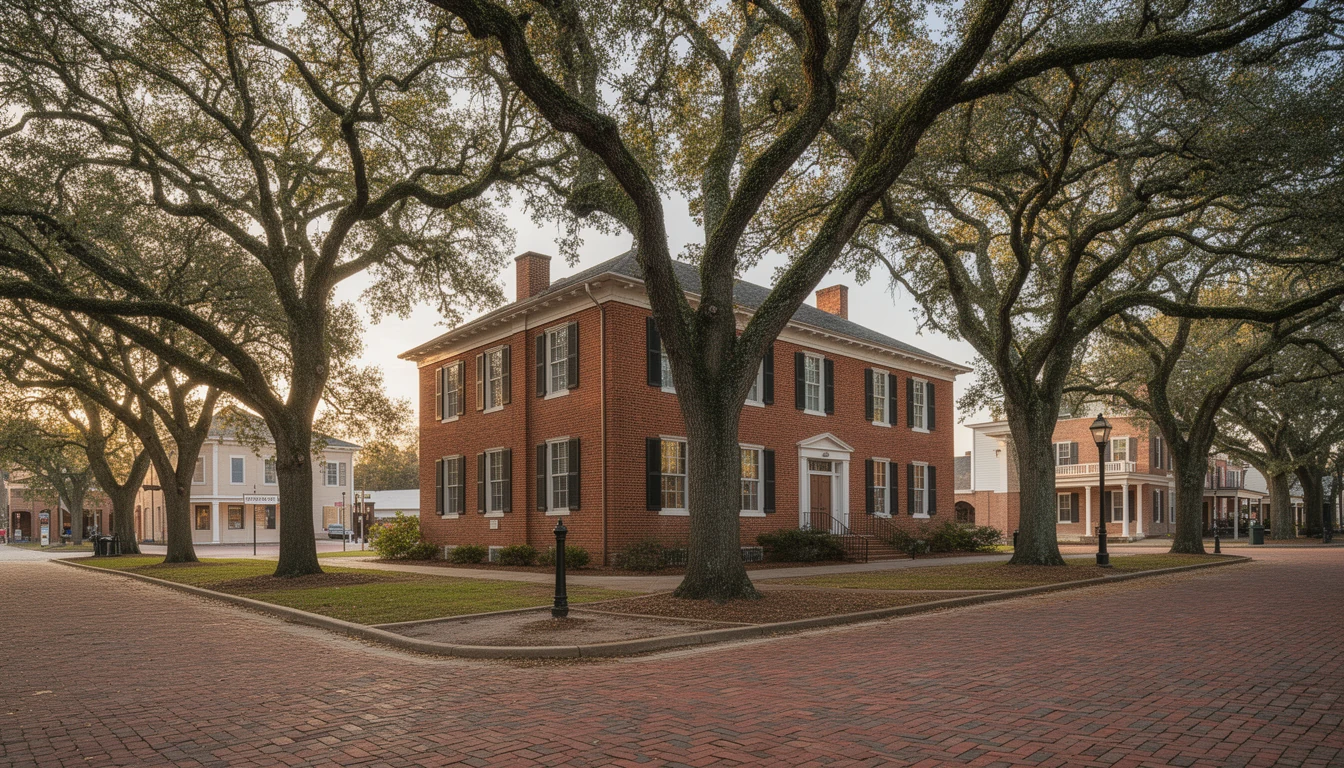
Standing on the green at Historic Halifax State Historic Site on a spring morning, the tour guide points at the visitor center and says the date out loud: April 12, 1776. It is the same date printed on the North Carolina flag, and it happened right here, in a town of a few hundred people on the south bank of the Roanoke. That is the part that still gets me: not that the Resolves were passed, but where.
April 12, 1776: the first call for independence
North Carolina’s Fourth Provincial Congress met in Halifax in the spring of 1776. On April 12, its delegates adopted what we now call the Halifax Resolves, authorizing the colony’s representatives to the Continental Congress to concur with the other colonies in declaring independence from Britain. It was the first official action by any American colony calling for independence, nearly three months before the Declaration of Independence.
The vote was unanimous, with 83 delegates present. The date went on the state flag, and North Carolina’s nickname, “First in Freedom,” traces straight back to that afternoon. The original document spent the next 250 years in the National Archives; in 2026, for America’s 250th anniversary, it came home to Halifax for the first time since 1776 and is on display at the site’s visitor center through October 6. If you have any interest in how this country started, that is worth the drive by itself.
What is at the historic site today
The state historic site preserves the colonial town that made the Resolves possible. Restored and furnished period buildings anchor the grounds, including the 1790 Eagle Tavern and the 1838 jail, with guided and self-guided tours, an Underground Railroad Trail, and living-history programming on most Saturdays. The surrounding Halifax Historic District has been on the National Register of Historic Places since 1970.
The site is the easy part of a visit. The harder part is noticing what the town itself is now: the county seat, courthouse and all, with about 170 residents at the 2020 census. When something lists here, it tends to be either a genuinely historic property or a modest house at a modest price, with little in between. Inventory is occasional, and you cannot shop this market the way you shop a subdivision.
What buying here actually means
The honest trade: Halifax gives you a heritage few towns in North Carolina can match, and the market gives you deep value. A meaningful share of south county listings sits below the $125,000 range, and the under-$150K filter stays populated with this kind of stock.
The cost of that trade is real. Services are thin, so you drive to Roanoke Rapids for most errands, and comparables are sparse, which makes appraisals less predictable and resale slower than in a bigger market. Much of the stock is 80 to 120 years old, so the inspection matters more than the listing photos do, and insurability on the oldest houses needs a real quote during due diligence. You are buying history and affordability, not convenience. You should make that choice with your eyes open.
The Historic Halifax chapter walks the whole south county town by town, and the Halifax town listings page shows what is actually on the market today.
The Bottom Line
Historic Halifax is one of the most important small towns in American history, and it is also a real market with real trade-offs. If you want to own a piece of the place where the country started, it is worth a careful look. Just bring your patience, your inspector, and an honest budget for the work old houses need.
For questions about historic Halifax or any Halifax County property, call Travis Old at (252) 202-4945 or schedule a chat. NC Real Estate Broker, License #334264. Equal Housing Opportunity.
Keep reading
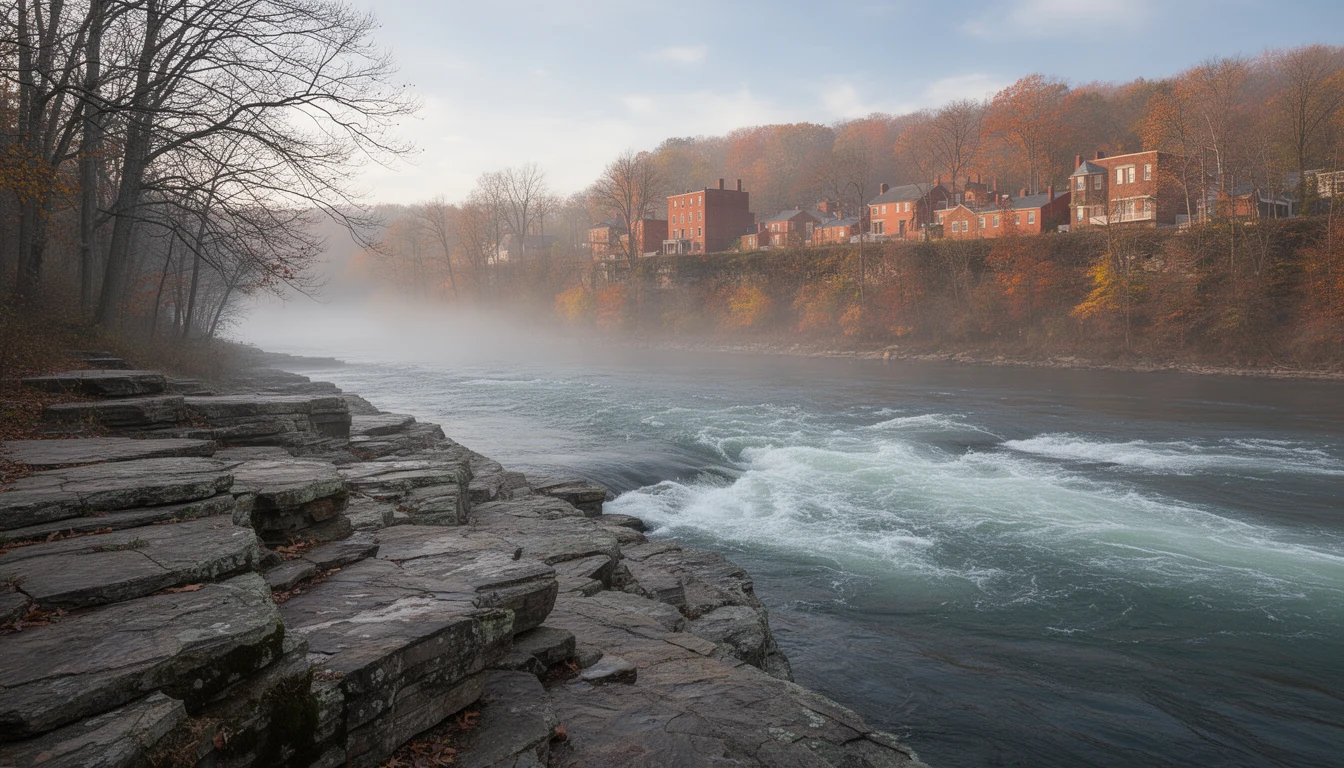
Weldon's Fall Line: Canal, Rail, and the Houses Left Behind
Weldon grew up around a granite ledge, then a canal, then a railroad. What those decades left behind in the housing stock, block by block, for buyers.
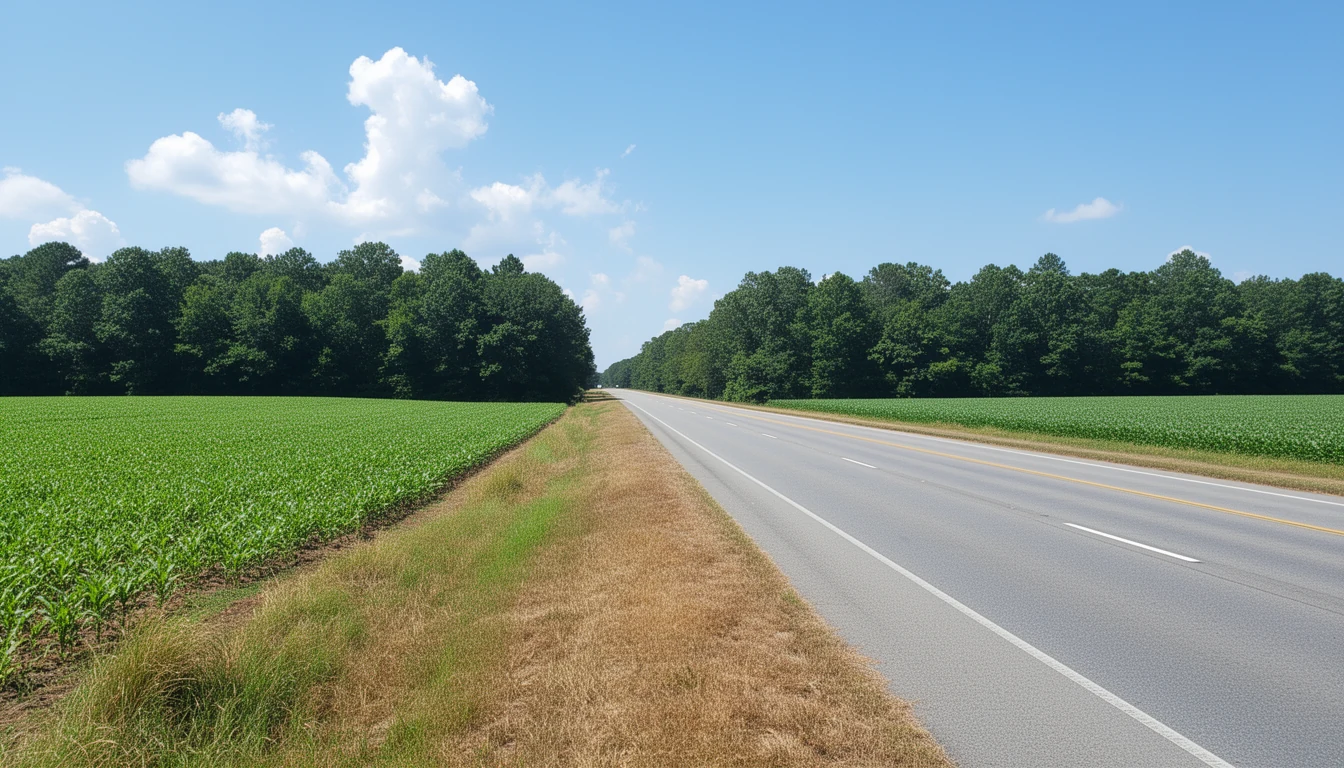
Five Drives That Decide Where You Live in Halifax County
Five drives that decide where you live in Halifax County: I-95 south to Rocky Mount and north to Virginia, US-301 through the towns, and the lake road.
Halifax County Property Taxes: Four Layers, One Bill
Halifax County property taxes for buyers: FY 2025-26 rates town by town, school supplemental levies, the four-year revaluation cycle, and escrow.