Lake Gaston: Which County Is Your Lake House In?

In this post
Here is the question that should come before any other question about a Lake Gaston listing: which county — and which state — is the parcel actually in? Lake Gaston covers roughly 20,000 acres with about 350 miles of shoreline, and that shoreline crosses five counties in two states: Halifax, Northampton, and Warren counties in North Carolina, and Brunswick and Mecklenburg counties in Virginia. Dominion Energy controls the lake’s water levels across all of it. The water is one lake. The rules, taxes, and school districts around it are five different answers.
Why the county line is a money question
Buyers shopping “Lake Gaston” as a single market routinely compare listings across county and state lines without realizing it, and that comparison breaks in at least three places.
Property taxes. Each county sets its own tax rate and runs its own revaluation schedule. Two similar lake houses a few coves apart can carry meaningfully different annual tax bills simply because they sit in different counties. Never estimate a listing’s carrying cost from a different county’s tax bill — pull the actual bill for the actual parcel.
The state line. If the parcel is in Virginia, nearly everything downstream changes: state income tax treatment, closing practices and the attorneys or settlement agents involved, and which real estate licensees can represent you. A North Carolina buyer who assumes the Virginia side works like home is in for a series of small, expensive surprises.
School districts. District assignment follows the parcel, and on the North Carolina side it varies by county — Halifax County alone runs three separate school systems, which is its own subject and its own chapter. If schools factor into your purchase at all, the county question and the district question have to be answered together, at the parcel level.
What this site shows — and what it doesn’t
One point of honesty about this site: the waterfront listings filter here covers Halifax County only. Only part of Lake Gaston’s shoreline is in Halifax County — a listing site that implied otherwise would be misleading you, and plenty of the lake’s inventory at any given moment sits in Northampton, Warren, or the Virginia counties. If a listing you’re watching is outside Halifax County, the buying fundamentals in the Lake Gaston Economics chapter still apply, but the tax, school, and (if Virginia) legal specifics will differ, and you should verify them against that county’s own sources.
How to check a parcel’s county in about five minutes
You don’t have to guess, and you shouldn’t accept the listing’s word for it.
- Pull the parcel in the county GIS. Every county around the lake maintains an online parcel viewer. Search the address or owner name; the county whose GIS returns the parcel is the county of record. If you’re not sure where to start, start with the county named on the listing and confirm the parcel actually appears there.
- Look at the current tax bill. The seller’s agent can provide it, or the county tax office can. The bill names the taxing county and shows the real carrying cost — no estimating required.
- Check the deed. The recorded deed names the county where the property lies and where the instrument is recorded. Your closing attorney will do this anyway; doing it during due diligence just moves the answer earlier, when it can still change your decision.
One warning from experience with lake geography generally: do not assume the county line follows the water in any intuitive way. Lines out here were drawn long before the lake existed — the lake flooded a river valley across existing boundaries — so a bridge, a cove, or a subdivision road tells you nothing reliable about jurisdiction. The parcel record does.
The takeaway
“Lake Gaston” is a lake, not a jurisdiction. Confirm the county before you compare prices, before you estimate taxes, and before you assume anything about schools. It’s a five-minute check that reorders everything else about the deal — which is exactly why it comes first.
Keep reading
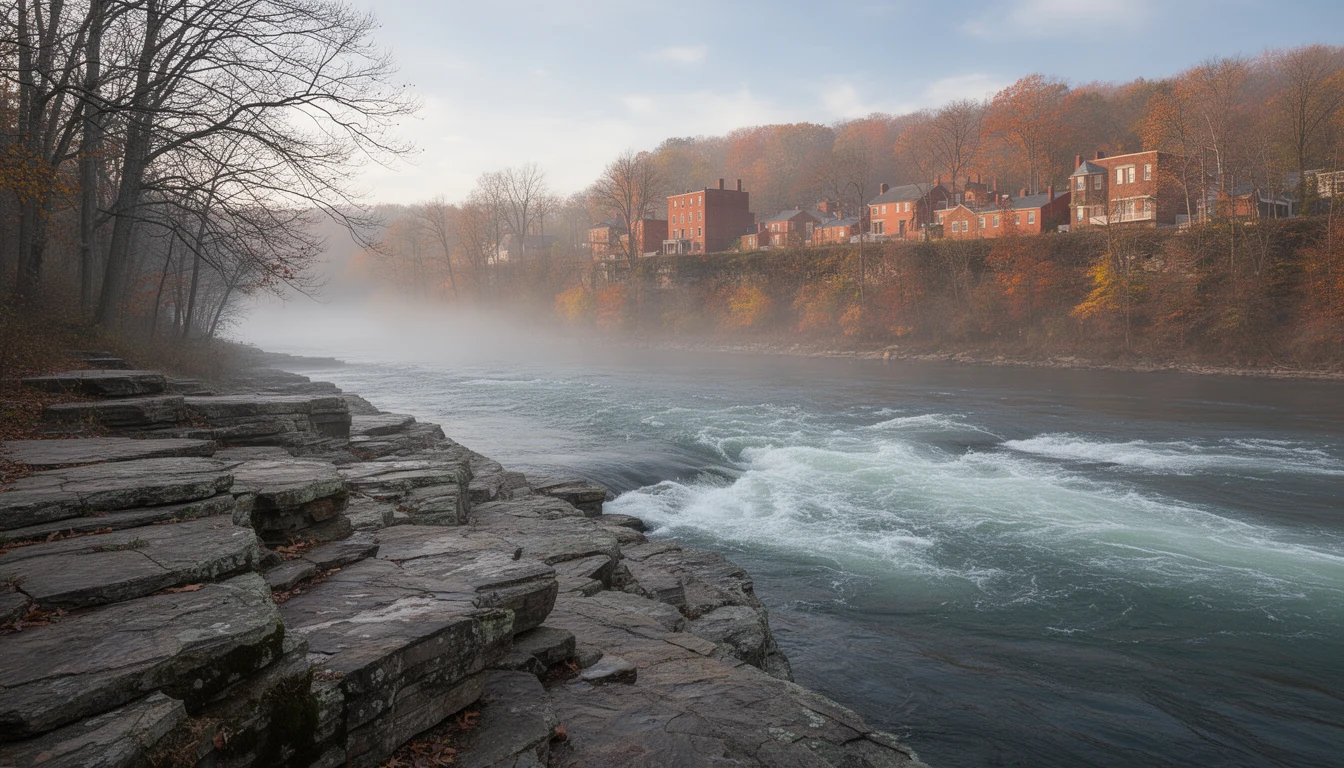
Weldon's Fall Line: Canal, Rail, and the Houses Left Behind
Weldon grew up around a granite ledge, then a canal, then a railroad. What those decades left behind in the housing stock, block by block, for buyers.
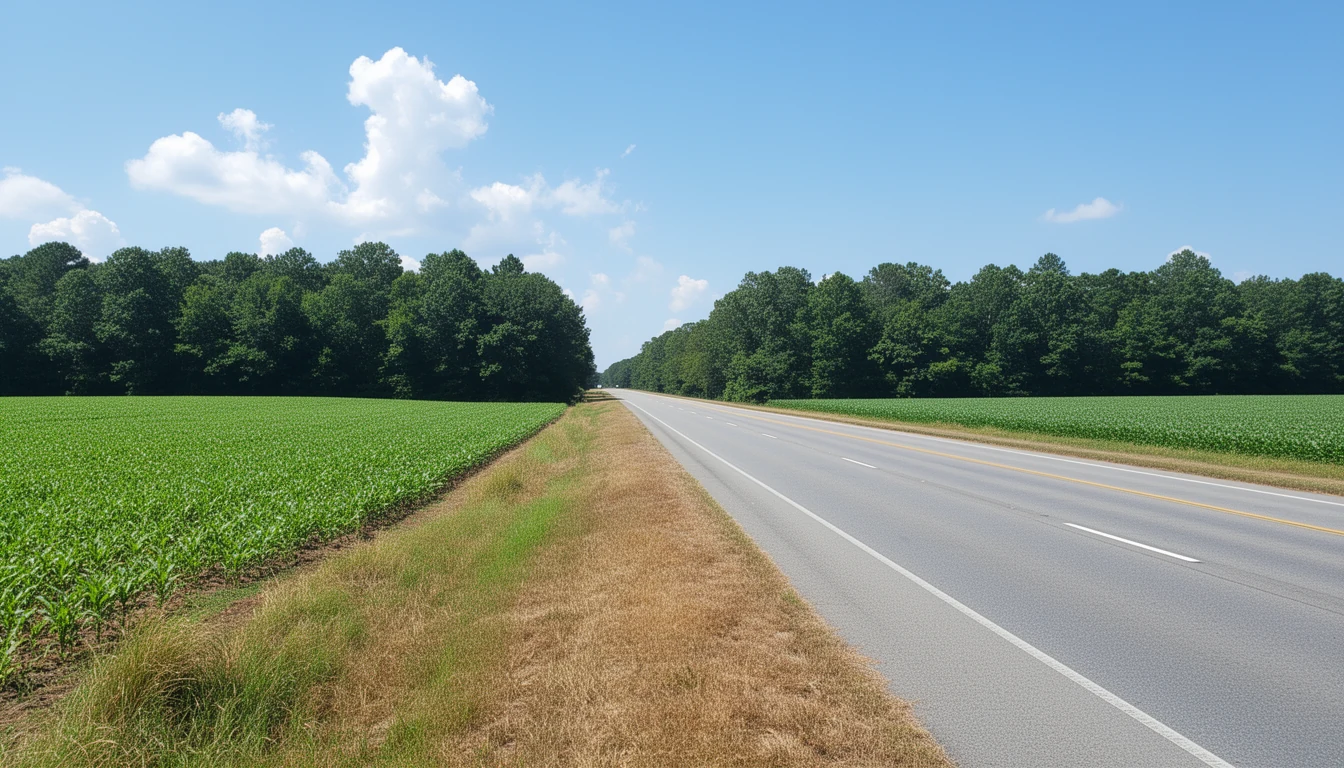
Five Drives That Decide Where You Live in Halifax County
Five drives that decide where you live in Halifax County: I-95 south to Rocky Mount and north to Virginia, US-301 through the towns, and the lake road.
Halifax County Property Taxes: Four Layers, One Bill
Halifax County property taxes for buyers: FY 2025-26 rates town by town, school supplemental levies, the four-year revaluation cycle, and escrow.