
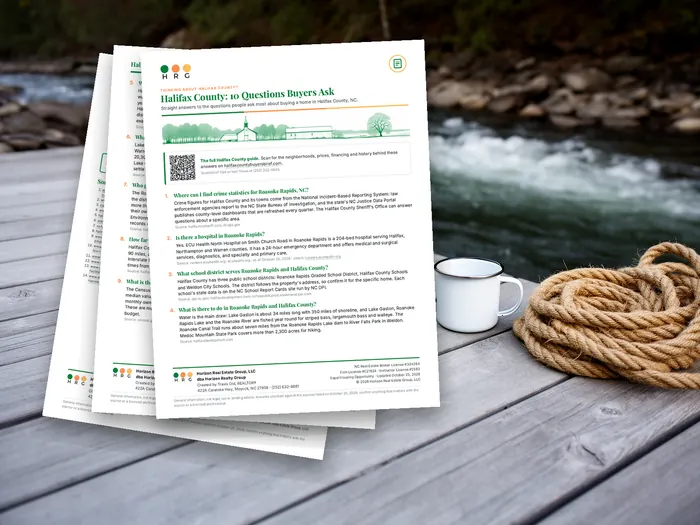
Moving to Roanoke Rapids, NC: What Buyers Ask First

In this post
Roanoke Rapids is the largest city in Halifax County — about 15,000 people at the 2020 census — and it is where nearly every relocation conversation about this county starts. When buyers call me about moving here, the questions come in a predictable order: what services does the town actually have, how does the I-95 position work in real life, what is the housing stock like, and then, once they’ve dug a little deeper, a question most out-of-area buyers don’t know to ask until someone tells them — which of the county’s three school districts serves the house they’re looking at. Here are the straight answers.
Services: a real small city, anchored by a real hospital
The thing that separates Roanoke Rapids from most towns its size in eastern North Carolina is that it functions as the service hub for a wide rural region. The anchor is ECU Health North Hospital — 204 beds, formerly Vidant North before the system renamed — which sits inside the city and gives the county something many rural counties simply don’t have: a full hospital within minutes of town, not an hour away. Around it you get the practical layer relocating buyers actually care about day to day: grocery stores, pharmacies, chain retail along the interstate exits, and the restaurants and services that a regional draw supports. It is not a metro. But it is genuinely self-sufficient for the weekly errands of a household, which is not something every county seat region in this part of the state can say.
The I-95 position: convenience, not a commute
Roanoke Rapids sits directly on I-95, roughly 88 miles from Richmond and roughly 90 miles from Raleigh — about an hour and a half to either. Buyers hear that and sometimes imagine a daily commute to one of those metros. Don’t. Three hours a day of windshield time is not a lifestyle; it’s a mistake. The honest way to read the I-95 position is as exit-ramp convenience: two major metros, two airports, and big-city healthcare and amenities within a comfortable occasional drive — plus the practical benefit that family visiting from up or down the East Coast can find you without a map. If your work is remote, regional, or local, the position is a genuine asset. If your job requires being in Raleigh or Richmond every morning, this is the wrong town, and I’ll tell you that on the first call.
The housing stock: a mill city’s inheritance
Roanoke Rapids grew up as a textile manufacturing city in the early twentieth century, and the housing stock still reads that way. The city’s historic core — listed on the National Register of Historic Places — carries street after street of early-1900s mill-village housing: modest footprints, front porches, mature trees, and prices that surprise buyers arriving from metro markets. Around and beyond that core you’ll find mid-century ranches and pockets of newer construction, but the character of the market is older, smaller, and affordable. The trade is condition: hundred-year-old houses vary enormously in how well they’ve been kept up, so the inspection matters more here than the listing photos do. Budget for a thorough one, and price any deferred maintenance into your offer.
The nuance nobody tells you: three school districts
Halifax County operates three separate public school systems — Halifax County Schools, the Roanoke Rapids Graded School District, and Weldon City Schools. The Roanoke Rapids district serves the city itself, which means a house with a Roanoke Rapids mailing address is not automatically zoned to Roanoke Rapids schools; addresses outside the city district’s boundary fall to Halifax County Schools. The district a specific parcel is assigned to is a fact you verify with the district office before you write an offer — MLS fields are agent-entered and sometimes wrong. If schools matter to your household, this is the single most important due-diligence item in this market, and it’s covered in depth in the brief’s schools chapter.
The bottom line
Roanoke Rapids works best for buyers who want small-city services, an affordable and characterful housing stock, and two metros within reach but not on the daily calendar. Confirm the district line, inspect the old stock honestly, and the rest of the move is more straightforward than most people expect.
Keep reading
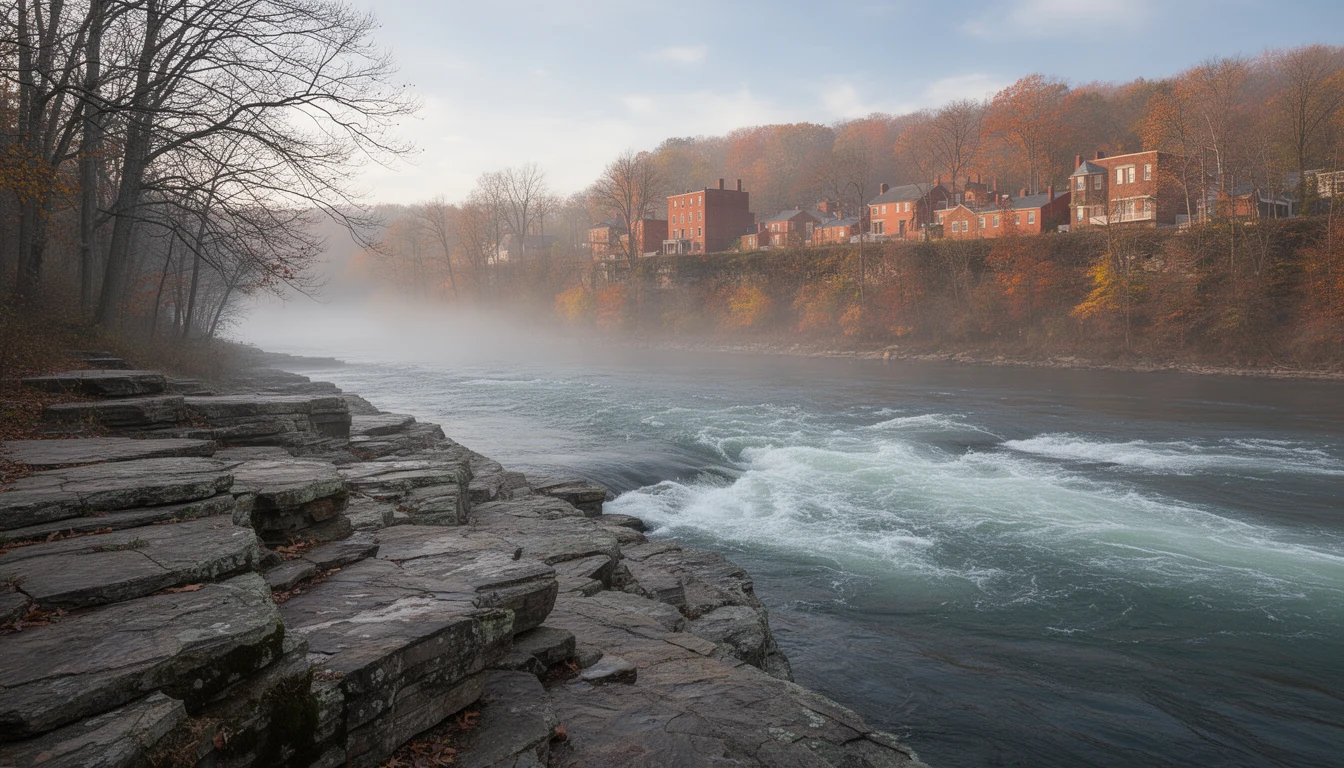
Weldon's Fall Line: Canal, Rail, and the Houses Left Behind
Weldon grew up around a granite ledge, then a canal, then a railroad. What those decades left behind in the housing stock, block by block, for buyers.
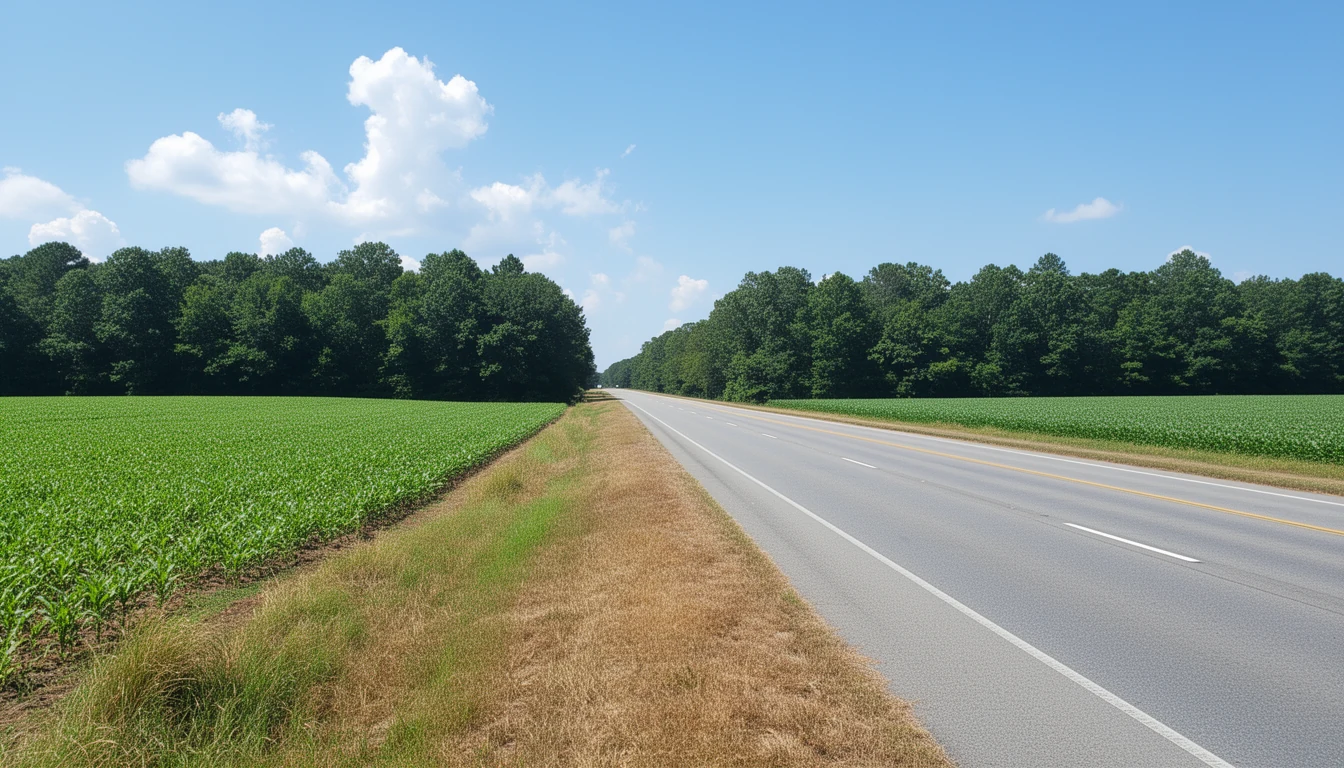
Five Drives That Decide Where You Live in Halifax County
Five drives that decide where you live in Halifax County: I-95 south to Rocky Mount and north to Virginia, US-301 through the towns, and the lake road.
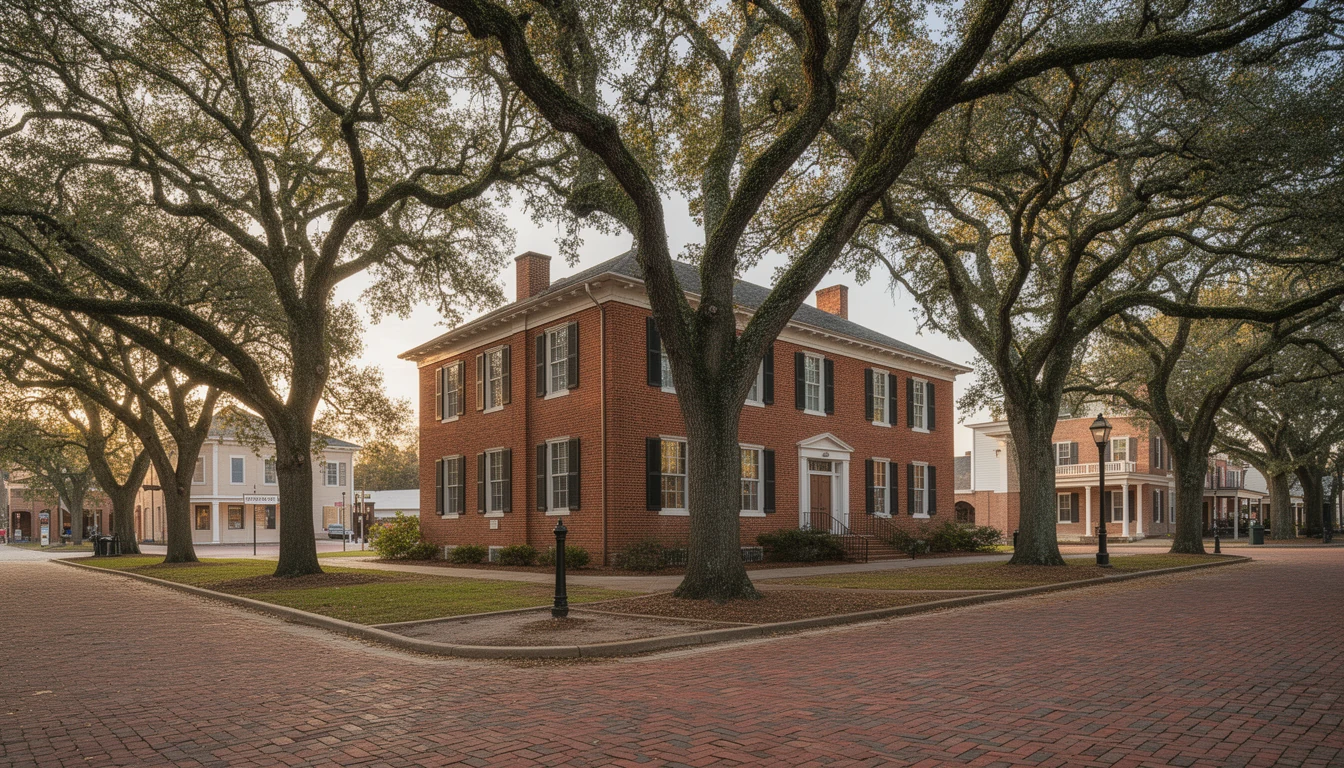
Halifax County Property Taxes: Four Layers, One Bill
Halifax County property taxes for buyers: FY 2025-26 rates town by town, school supplemental levies, the four-year revaluation cycle, and escrow.