
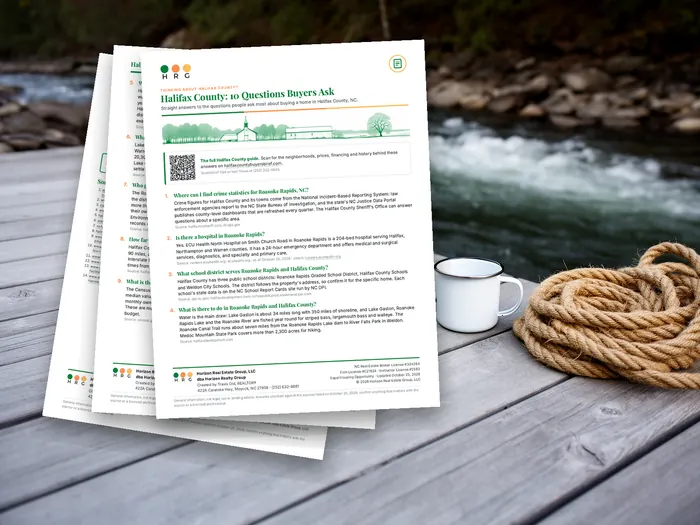
Striper Season in Weldon: What It Means for Buyers

In this post
Every spring, the striped bass come up the Roanoke River, and for a few months the small town of Weldon becomes the center of one of the best-known fisheries on the East Coast. Weldon calls itself the “Rockfish Capital of the World” — rockfish being the local name for striped bass — and the claim rests on real biology: stripers run out of the Atlantic and the Albemarle Sound and swim roughly 130 miles up the Roanoke to spawn, and the rapids at Weldon are where the run concentrates. The N.C. Wildlife Resources Commission describes the Roanoke River run — which occurs from March through May — as the most popular native striped bass fishery in the state.
One practical note before anything else: what you’re allowed to keep, and when, is a separate question from when the fish are there. Harvest seasons and creel limits on the Roanoke are set by the Wildlife Resources Commission and have changed over the years with the health of the fishery — check the current NCWRC regulations rather than assuming anything from an old fishing report.
What a fishing-economy spring looks like
For a town of Weldon’s size, a nationally known fishing run is a seasonal economic event. Spring means full boat ramps, out-of-state plates, anglers filling the gas stations and food stops, and a river town operating at a completely different energy level than it does in January. It also means Weldon gets its annual wave of first impressions: people who came for the fish, drove the streets, saw the historic building stock and the river, and started wondering what property costs here.
That wondering is legitimate. Weldon has genuinely affordable, genuinely historic housing stock, a working river landing, and a location minutes from I-95 and Roanoke Rapids. A recurring seasonal draw is a real asset for a small town — it supports businesses that couldn’t survive on local traffic alone, and it gives the town a reason to exist on maps far beyond Halifax County. If you’re the kind of buyer who wants a small river town with an identity, Weldon has one, and it’s not manufactured — it swims up the river on its own every spring.
The honesty note: buy in April with January eyes
Here is the caution I give every buyer who first saw Weldon in striper season: you saw the town at its absolute peak. The boat ramps are not full in November. The seasonal energy is seasonal. A property purchase should pencil against the town’s year-round reality — its services, its quiet months, its thin resale market — with the spring run treated as a bonus on top, not the baseline.
And there is a second, more literal honesty note: this is a river town, and rivers flood. Parts of Weldon and the surrounding riverside land sit in mapped flood zones, and the same proximity to the water that makes the town attractive in April is a risk line-item the other eleven months. Before you write an offer on anything near the river: pull the FEMA flood map for the specific parcel, find out whether the property sits in a mapped flood zone, and — most importantly — get an actual flood insurance quote during your due-diligence period. Flood insurance costs vary enormously parcel by parcel, and a real quote can change the economics of a cheap house in a hurry. “The seller never had a problem” is not underwriting; the map and the quote are.
The takeaway for buyers
The striper run is real, the “Rockfish Capital” identity is earned, and the seasonal economy it brings is a genuine asset for a town this size. Buy Weldon, if you buy it, for the year-round fundamentals — the price of entry, the historic stock, the I-95 position — with the flood map checked and the insurance quoted, and let the spring run be what it actually is: the best free amenity in Halifax County. The full picture of the town, the river, and the flood-zone math is in the brief’s Weldon & the River chapter.
Keep reading
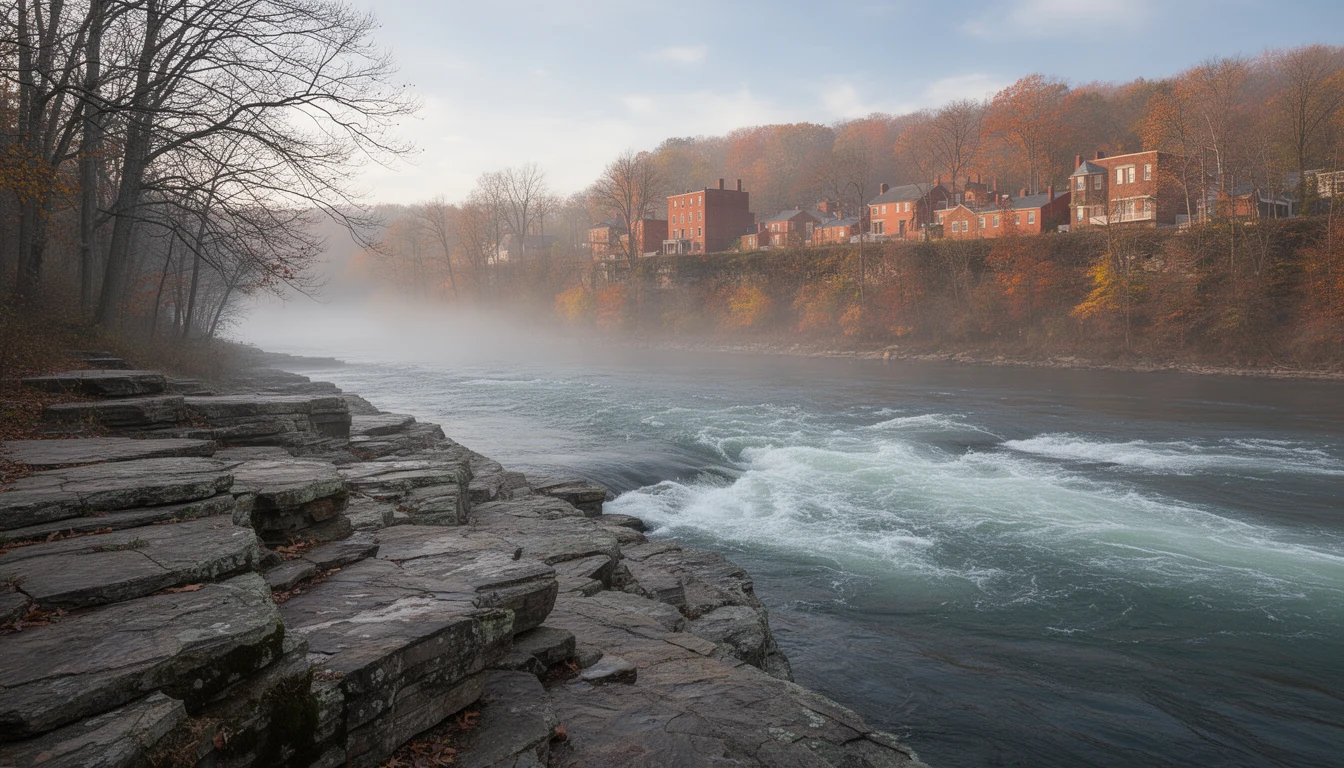
Weldon's Fall Line: Canal, Rail, and the Houses Left Behind
Weldon grew up around a granite ledge, then a canal, then a railroad. What those decades left behind in the housing stock, block by block, for buyers.
Five Drives That Decide Where You Live in Halifax County
Five drives that decide where you live in Halifax County: I-95 south to Rocky Mount and north to Virginia, US-301 through the towns, and the lake road.
Halifax County Property Taxes: Four Layers, One Bill
Halifax County property taxes for buyers: FY 2025-26 rates town by town, school supplemental levies, the four-year revaluation cycle, and escrow.