What $150K Buys in Halifax County

In this post
I’m not going to quote you listing prices in this post, because listing prices go stale the week after they’re written and I don’t publish numbers I can’t stand behind. What I can do is something more useful: describe the structure of Halifax County’s affordable end — what kinds of houses live in the lower price bands, what condition realities come with them, and where the genuine deep value in this county sits. For live inventory, the under-$150K filter shows what’s actually on the market today, and the under-$300K guide covers the broader affordable picture.
The Roanoke Rapids mill-village band
The backbone of this county’s affordable inventory is Roanoke Rapids’ early-twentieth-century housing stock. The city grew up as a textile manufacturing center, and its historic core — on the National Register of Historic Places — is filled with the mill-village housing that era built: one and one-and-a-half story houses, modest footprints, front porches, small lots on walkable street grids. It is characterful stock, and it is the reason a metro-market buyer’s first drive through Roanoke Rapids tends to involve some recalibration about what their money does here.
The structural honesty: in the lower bands, you are choosing along a condition spectrum more than a location spectrum. At the affordable end of this market, roughly three kinds of houses show up:
- Kept-up but dated. Sound roof, functional systems, cosmetics from a few decades back. Usually the best value in the band — the work is optional and cosmetic, not urgent and structural.
- Partially updated. A newer roof or HVAC over original wiring or plumbing. These need the most careful inspection, because the visible updates can mask the invisible originals.
- Project houses. Priced for their condition, and only a deal if you’ve honestly costed the work. On a hundred-year-old house, “needs updating” can mean wiring, plumbing supply lines, foundation attention, and a roof — individually manageable, collectively a second mortgage.
Whatever the band, the inspection is where the real price gets discovered. On stock this age I tell buyers to treat a general inspection as the floor, not the ceiling — pay particular attention to the electrical panel and wiring, the plumbing materials, and the foundation, and put a number on every finding before the due-diligence clock runs out.
Enfield and Scotland Neck: the deep-value end
South of the Roanoke Rapids corridor, Enfield and Scotland Neck represent the deepest value in the county — small towns with genuinely historic housing stock, including some houses with the kind of scale and detail that would carry very different price tags in a restored market. Entry prices here run below even Roanoke Rapids’ affordable bands.
The honesty that has to come with that: deep value is deep for reasons. These are small rural towns with thinner services, longer drives to the hospital and major retail in Roanoke Rapids, and — critically for anyone thinking about eventual resale — much thinner buyer pools. A house that costs little can also take a long time to sell, and renovation dollars put into a deep-value town don’t reliably come back out at resale the way they might in a hotter market. That doesn’t make these towns a mistake; it makes them a specific choice. The buyers who do well here are buying to live in the house for a long time, or restoring for the love of the building with clear eyes about the math — and for genuinely historic properties, the historic tax credit page is worth reading before renovation planning starts.
What the affordable bands don’t buy
Lake Gaston frontage. The waterfront market is its own economy with its own price structure — that’s Chapter 3’s territory — and buyers hoping an affordable-county headline extends to the shoreline will be disappointed. What the county’s affordable end actually offers is different and, for the right buyer, better: real houses, in real towns, at entry prices that still allow a first-time buyer or a careful investor to get in without heroic financing. The financing page covers the program stack — NCHFA, USDA, FHA — that makes the affordable end of this county more accessible than most buyers assume.
How to shop this market
Start with the under-$150K filter to see today’s inventory, decide which of the three condition profiles you’re actually equipped to take on, and inspect accordingly. The bargains in this county are real, but they’re discovered in the crawlspace, not the listing photos.
Keep reading
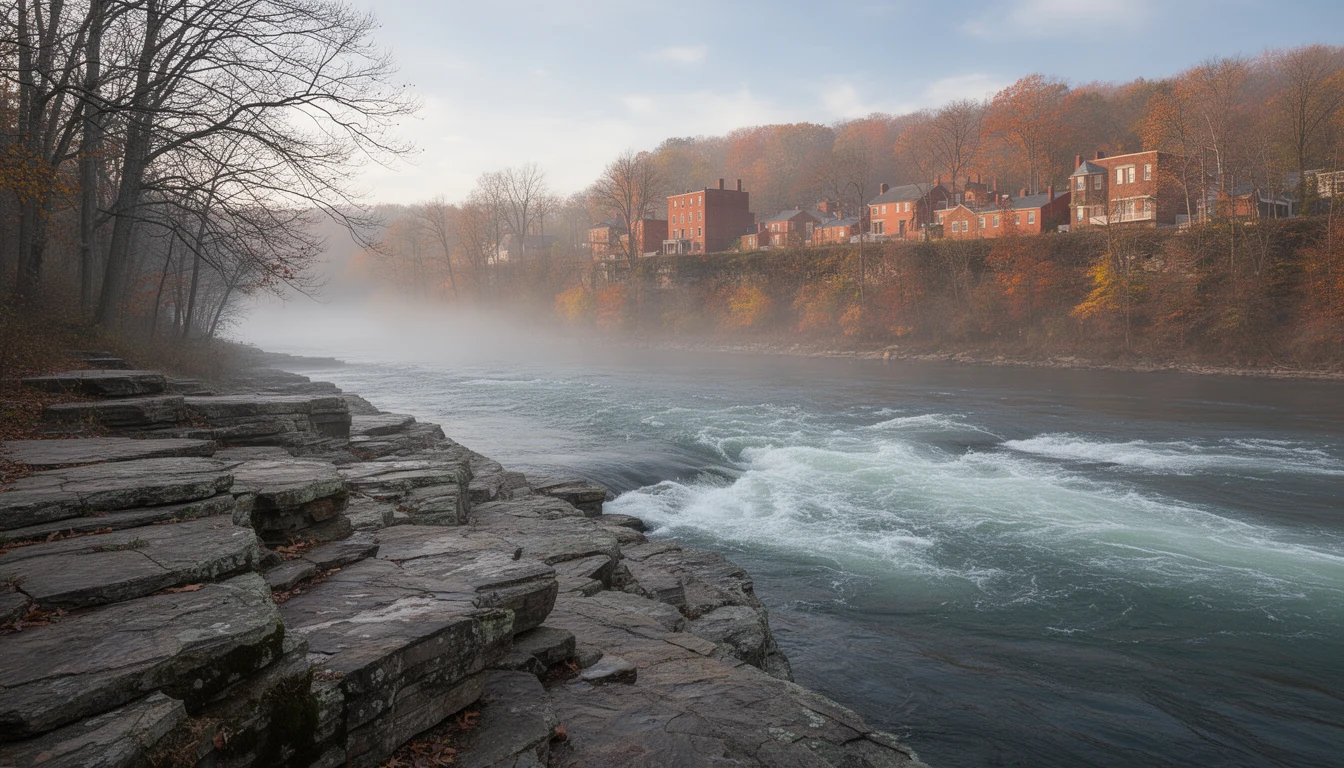
Weldon's Fall Line: Canal, Rail, and the Houses Left Behind
Weldon grew up around a granite ledge, then a canal, then a railroad. What those decades left behind in the housing stock, block by block, for buyers.
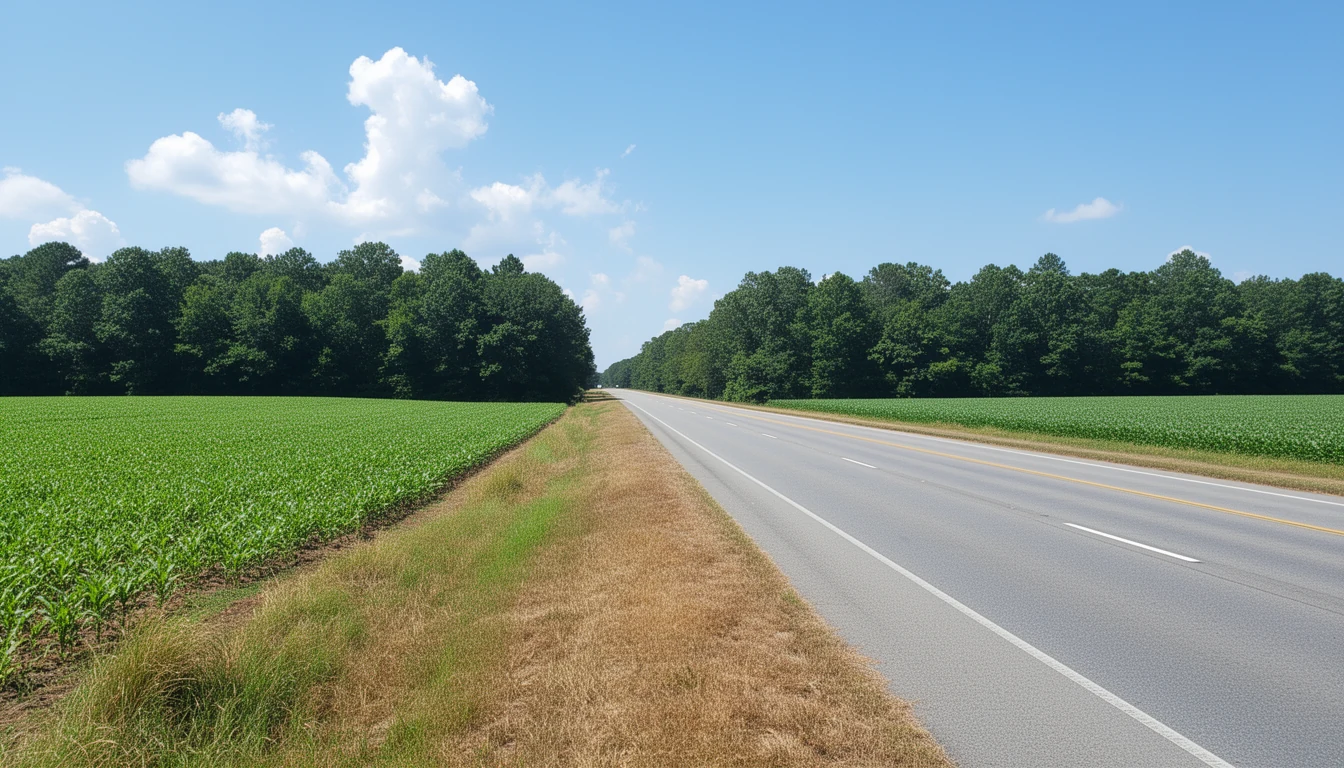
Five Drives That Decide Where You Live in Halifax County
Five drives that decide where you live in Halifax County: I-95 south to Rocky Mount and north to Virginia, US-301 through the towns, and the lake road.
Halifax County Property Taxes: Four Layers, One Bill
Halifax County property taxes for buyers: FY 2025-26 rates town by town, school supplemental levies, the four-year revaluation cycle, and escrow.